
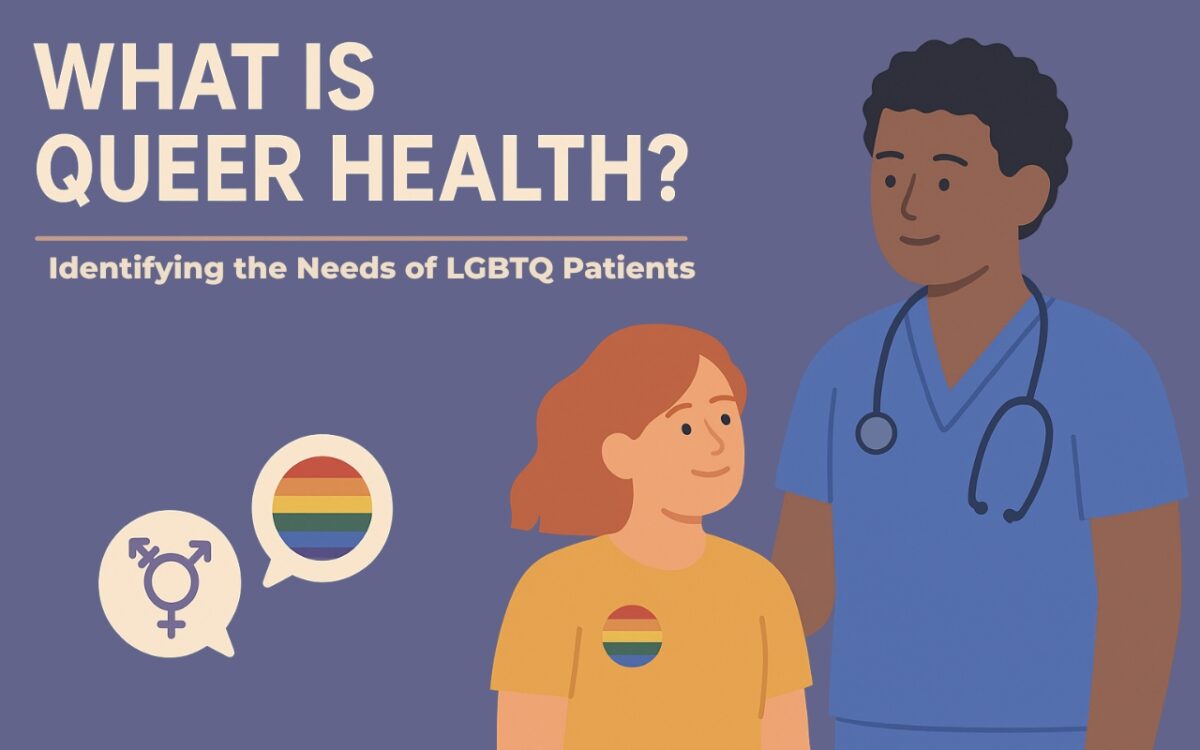
Queer people have always been a part of society. As of 2024, more than 20% of younger adults self-identify as LGBTQ+ compared to older adults.
However, many nurses and doctors can be hesitant about caring for LGBTQ+ patients. Although this apprehension is common, compassionate care begins with nurses and professionals who are eager to support each patient, regardless of their sexuality.
If you’re a nurse who wants to understand how to support queer patients, consider the following points of advice below.
Understanding Queer Health
The LGBTQ+ community is composed of gay, bisexual, lesbian, queer, and people questioning their identity from all races and ethnicities. Like any other cross-cultural community, queer individuals face specific healthcare challenges and risks.
Some medical issues that can impact LGBTQ patients include a higher BMI in queer minority women, obesity in queer men, and a greater risk of sexually transmitted infections and HIV transmission. Transgender people also pose a risk of developing poor cardiovascular health from gender-affirming hormones.
Queer people are also at a higher likelihood of mental health issues than heterosexual patients. LGBTQ youth have a higher risk of depression, substance misuse, and eating disorders when compared to their peers.
Even though more people are focusing on queer needs in areas like gynecology and sexual health, discrimination still exists. Eight percent of queer patients and 22% of transgender people have reported avoiding medical care for that reason, according to the Center for American Progress.
Existing stigma and a lack of cultural competence actively hurt queer people who need medical care. Due to the wide range of issues that can arise within this community, it’s essential to listen to queer patients and remain open to their perspectives.
Use Affirming Language
There are also specific ways to ensure that you’re offering culturally competent care to patients, even if you’re a nurse who doesn’t know much about the queer communitymeeting the patient where they’re, with understanding, trust, and respect, matters.
Before speaking with the patient, ask them about their preferred pronouns and names. Some intake forms will also provide a space for patients to record their preferred pronouns. Language is essential, and asking this question can ensure that you’re respecting the identity they’ve chosen.
If you’re ever unsure of what pronoun to use first, it’s okay to ask them which one they prefer. It’s better to ask than to accidentally use the wrong pronoun, anyway.
Another good practice is to use gender-neutral language when you’re not sure of someone’s pronouns. For example, saying theirs instead of his or hers or Hi everyone instead of Hi ladies. In the worst-case scenario, when you do make a mistake about someone’s pronouns, it’s fine to apologize for it once and move on.
Be Aware of Existing Bias
Unfortunately, many healthcare professionals still make false assumptions about queer patients. This can be because of a lack of education about the LGBTQ community in medical spaces or minimal discussion about their healthcare needs with queer voices in the mix.
For lesbians and bisexual women, there’s a common misconception that pap smears are not necessary when in fact, anyone with a vagina, cervix, or breast tissue needs regular gynecological care.
It’s hard to figure out what’s true versus what’s not with so much misinformation in the medical space. Below are organizations that offer information about the health needs of queer people:
GLMA: Health Professionals Advancing LGBTQ+ Equality: GLMA is the world’s largest association of LGBTQ+ healthcare professionals. Their focus is on research, advocacy, and education on all topics regarding queer health.
GLAAD: In 1985, GLAAD was founded as a nonprofit to advocate for LGBTQ rights. Now, it’s one of the largest advocacy organizations that exists today. You can find resources on how to be an ally for queer people, such as this guide for allies of transgender individuals.
National LGBTQIA+ Health Education Center: The organization focuses on enhancing the quality of care for queer individuals by offering training, technical assistance, and education on queer health. You can find resource sheets on queer terminology and watch webinars on specific LGBTQIA+ topics.
Health equity for everyone starts with each professional in the medical field, including nurses. Knowing how to care for queer patients respectfully already puts you on the path to giving queer patients the autonomy they deserve.

- How Nurses Can Handle Bad Days at Work and Bounce Back Stronger - December 29, 2025
- How to Recognize When You Need to Take a Break - December 24, 2025
- Back by Popular Demand: How to Deal with Feelings of Inadequacy as a New Nurse - December 5, 2025