
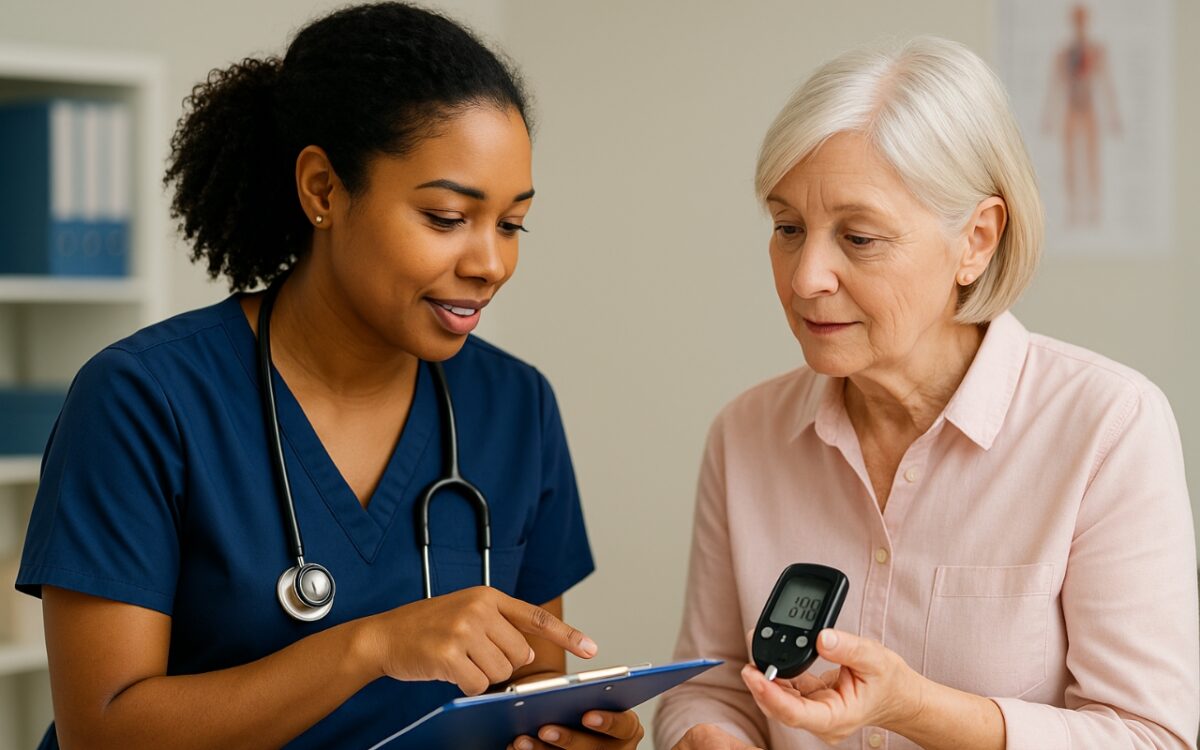
As diabetes prevalence continues to rise across the United States, delivering high-quality, evidence-based care requires more than medical guidelines—it requires clinicians who can bridge science and patient experience. According to Adrianna Nava, PhD, MPA, RN, Research Scientist at the National Committee for Quality Assurance (NCQA), nurses and frontline clinicians are uniquely positioned to lead that effort.
“Frontline clinicians play an integral role in ensuring patients with diabetes receive evidence-based care by fostering trust within the care delivery system,” says Nava. “When patients feel safe sharing their health behaviors, preferences, and personal goals, clinicians can better advocate for their overall health needs.”
By keeping current with best practices, emerging technologies, and community resources, Nava explains, clinicians not only provide appropriate treatment options but also ensure that quality measures translate into meaningful improvements in patient care.
Nurses as Leaders in Quality Measurement
NCQA emphasizes essential diabetes measures, including eye, foot, and kidney evaluations, as well as glycemic and blood pressure control. Nava points out that nurses, in particular, bring a distinct strength to this work.
“Nurses are well-positioned to build longitudinal relationships with patients, which allows them to identify barriers to achieving specific clinical targets across multiple quality measures,” she says.
As recognized by the American Organization for Nursing Leadership (AONL) and the American Academy of Ambulatory Care Nursing (AAACN), nurses lead in care coordination and transition management. This leadership enables them to align organizational infrastructure, technology, and team-based processes with patients’ personal goals—making them “critical drivers of quality improvement within diabetes care delivery,” Nava adds.
Preparing for New Quality Measures
Starting in January 2026, NCQA will introduce new measures for continuous glucose monitoring (CGM), depression screening, and statin therapy. Nava stresses that these additions address “key drivers of diabetes-related outcomes.”
- CGM provides real-time glucose data, improving glycemic control and reducing complications.
- Depression screening enables earlier intervention for a common condition that can significantly hinder diabetes self-management.
- Statin therapy aligns with evidence-based guidelines to reduce cardiovascular risks—the leading cause of morbidity and mortality in this population.
Nava notes that nurses play a pivotal role in supporting the adoption of these measures. “Nurses help create a culture of continuous quality improvement by educating patients and families, integrating screenings and medication checks into workflows, coordinating care across disciplines, and leading quality improvement activities,” she explains.
Using Technology to Close Gaps in Care
As digital quality measures (dQMs) become a bigger focus, nurses are helping to ensure data translates into better outcomes. Nava highlights their growing role in health technology:
“Nurses can leverage data and technology to improve real-time outcomes by collaborating with informatics teams to ensure standardized documentation of data elements aligned with digital quality measures,” she says. This includes staff training, working with EHR vendors, and using dashboards to spot gaps in care—ultimately turning data into action.
Recognition that Matters
For clinicians, NCQA’s revamped Diabetes Recognition Program underscores the value of evidence-based care. “For nurses, being part of the NCQA Diabetes Recognition Program means their work is recognized as meeting the highest standards for diabetes care, which strengthens trust with patients and the larger community,” Nava explains.
Beyond recognition, the program provides tools that streamline workflows and documentation, supporting nurses’ roles in care coordination and informatics.
Shaping the Future of Diabetes Care
Looking forward, Nava sees a significant opportunity for clinicians to expand the scope of diabetes care beyond the clinic walls.
“The biggest opportunity for clinicians is to integrate wellness, disease prevention, and social and environmental factors into diabetes care models and be able to capture this information digitally,” she says. Real-time data, technology-driven interventions, and community partnerships can help build healthier environments and move diabetes care toward population health goals.
By weaving prevention and wellness into everyday practice, Nava believes nurses and clinicians can help shape a system that supports patients across their life course—not only managing disease, but also promoting long-term health.

- She Treats Addiction Through a Screen. Here’s What This Psychiatric NP Is Watching For - September 30, 2026
- She Went From Broadway to Dementia Care. Now She Helps Nurses Understand What Behavior Is Saying - September 25, 2026
- What Causes Breast Milk Supply to Drop? What Nurses Should Know - August 18, 2026