
First Scope and Standards for Progressive Care Nursing
The American Association of Critical-Care Nurses (AACN) has published “ First Scope and Standards for Progressive Care Nursing Read More »


The American Association of Critical-Care Nurses (AACN) has published “ First Scope and Standards for Progressive Care Nursing Read More »

Simulation sessions can help maintain clinician proficiency and prepare staff members to be part of the multidisciplinary team during high-risk procedures that happen suddenly and infrequently. One such situation is an emergency resternotomy in the intensive care unit (ICU) for
Simulation Helps Clinicians Prepare for High-Risk Procedures Read More »

Clinicians need to have a better understanding of the potential impact of patients’ anxiety sensitivity, or “fear of fear,” according to an article published in American Journal of Critical Care (AJCC). When a patient has anxiety sensitivity, they misinterpret nonthreatening symptoms
Anxiety Sensitivity Affects Patients’ Care, Recovery Read More »

The American Association of Critical-Care Nurses (AACN) is bringing the lessons learned from its proven nurse leadership and innovation program and its Healthy Work Environment (HWE) initiative to help nurses at hospitals around the country improve the health of their
CSI Academy Teams to Focus on Implementing HWE Standards Read More »

Recent advances in ultrasonography technology have led to increased usage at the point-of-care, with handheld devices offering diagnostic and therapeutic applications. Point-of-care ultrasonography (POCUS) has proven to be an effective tool for various medical and surgical conditions, including those experienced
POCUS Provides ICU Clinicians Clear Benefits Read More »
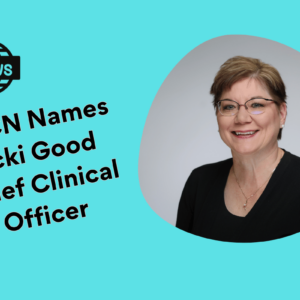
The American Association of Critical-Care Nurses (AACN) named Vicki Good, DNP, RN, CENP, CPPS, CPHQ, as its chief clinical officer (CCO). “As a member of our executive team, the CCO provides leadership of AACN’s initiatives to drive the transformation of acute
AACN Names Vicki Good Chief Clinical Officer Read More »

Minutes matter when a patient may have had a stroke, but being far from a physician with advanced training in neurology no longer needs to be a barrier to rapid diagnosis and intervention thanks to telestroke programs designed to improve
Telestroke Consults Expedite Care for Rural Patients Read More »
An analysis of 10 years of health data showed that risk factors for needing mechanical ventilation changed for patients with newly diagnosed sepsis as more time passed after onset. In the study, 13.5% of patients with a new diagnosis of sepsis required
Risk of Respiratory Failure Evolves After Sepsis Onset Read More »

Improved organ donation practices and greater program visibility led to a sustained increase in referrals, donors, and transplanted organs at a Georgia hospital, thanks to a focus on enhanced staff education and family communication. “Collaborative Approach to Organ Donation in
Georgia Hospital Improves Organ Donation Process Read More »