
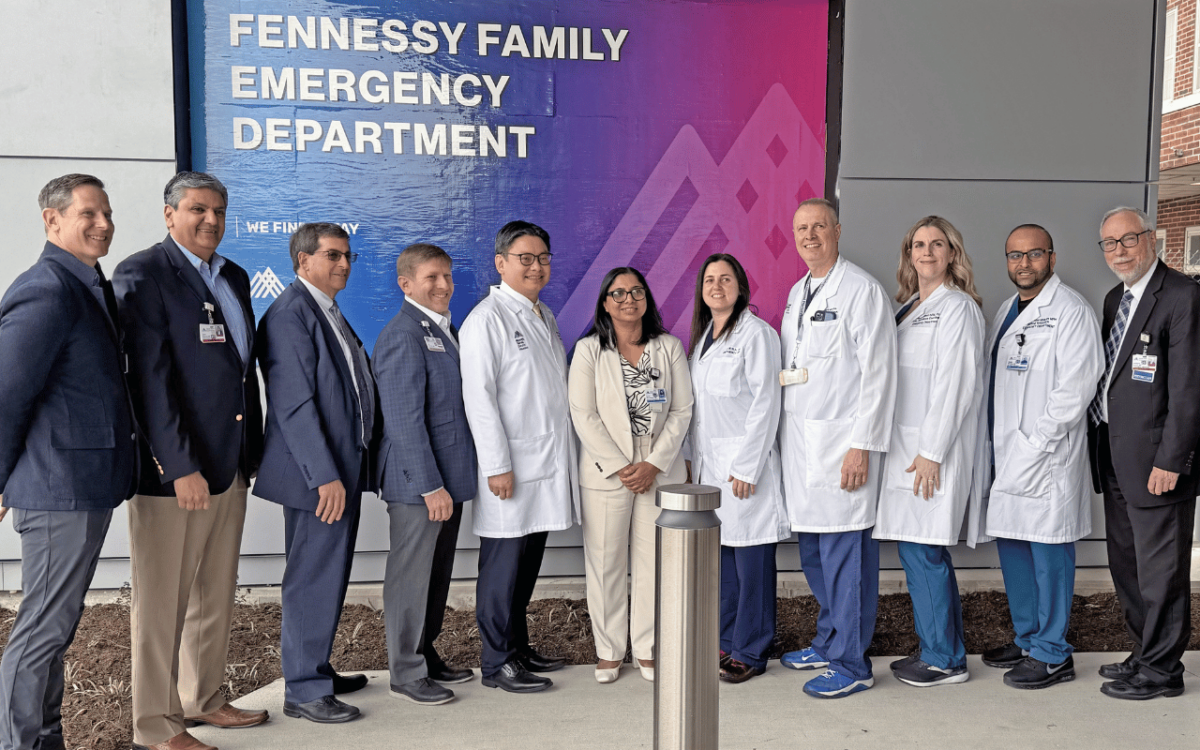
In a transformative leap for emergency care on Long Island, New York, Mount Sinai South Nassau is opening the doors to its newly expanded Fennessy Family Emergency Department—a $50 million project five years in the making. With 54 private exam rooms and a patient-centric design, this cutting-edge facility is poised to reshape how emergency medicine is delivered in one of the region’s busiest ERs.
“This is a tremendous milestone for Mount Sinai South Nassau that has been years in the making and will transform how we provide emergency medicine for patients,” said Anthony Cancellieri, Co-Chair of Mount Sinai South Nassau’s Advisory Board.
Emergency Medicine Reimagined
Designed to meet the evolving needs of patients and healthcare providers, the new department doubles its previous size and capacity. It’s the cornerstone of the 100,000-square-foot Feil Family Pavilion, a four-story medical hub slated to open in phases.
“With this opening, we are taking emergency medicine on the South Shore to a new level,” said Adhi Sharma, MD, President of Mount Sinai South Nassau and an emergency medicine physician. “Every aspect of this Emergency Department, from the entrance to the waiting area to the reception and triage areas to the patient treatment rooms, has been designed to provide our patients with advanced emergency care and a first-rate experience.”
The design for nursing and health care professionals translates to more efficient workflows, better visibility with centralized nursing stations, and enhanced capacity for trauma and critical care interventions.
What’s New: Facility Features That Put Patients First
- 54 private exam rooms for increased comfort and privacy
- Separate treatment areas for pediatric and behavioral health patients
- Bedside triage and streamlined workflows
- Three-bay trauma suite, expandable to six in mass casualty events
- •djoining radiology bay for rapid diagnostics
- Advanced ventilation system utilizing outside air—a pandemic-era innovation
- Designated Level II Trauma Center by the American College of Surgeons
Each trauma bay is fully equipped with cutting-edge imaging technology, supporting everything from intubations to emergent airway management and bronchoscopies.
A Milestone Fueled by Community and Federal Support
The Emergency Department is named in honor of Joseph J. Fennessy, a former longtime Board Chair and major benefactor. Following Superstorm Sandy’s devastation, FEMA provided a portion of the project’s funding. An additional $10 million was raised through community donations, reflecting the region’s collective investment in the future of health care.
“Mount Sinai is committed to advancing and improving health in the communities we serve throughout the region,” said Brendan Carr, MD, MA, MS, Chief Executive Officer of Mount Sinai Health System. “This effort at our Long Island flagship – to integrate world-class programs and research from the health system combined with an unmatched patient experience provided by a best-in-class workforce – illustrates our continued commitment to advancing health care for our patients and families.”
Meeting Growing Demands for Complex and Critical Care
Once the Feil Family Pavilion is fully operational, it will house:
- 40 new intensive and critical care beds
- Nine new operating suites equipped for complex, high-tech surgeries
The expansion will double Mount Sinai South Nassau’s capacity for critical care—an urgent need made all the more evident during the COVID-19 pandemic. The surgical suites are being built to flex with emerging technologies, offering scalable solutions for same-day, elective, and emergency procedures.
A Regional Anchor in Emergency and Critical Care
The new Emergency Department can accommodate approximately 75,000 patient visits annually, making it a local upgrade and a regional resource. The redesign will allow nurses, physicians, paramedics, and allied health professionals to deliver better care with greater efficiency and resilience.

- She Went From Broadway to Dementia Care. Now She Helps Nurses Understand What Behavior Is Saying - September 25, 2026
- What Causes Breast Milk Supply to Drop? What Nurses Should Know - August 18, 2026
- National Breastfeeding Month: How Nurses Can Help Families Make Informed Feeding Decisions - August 6, 2026