
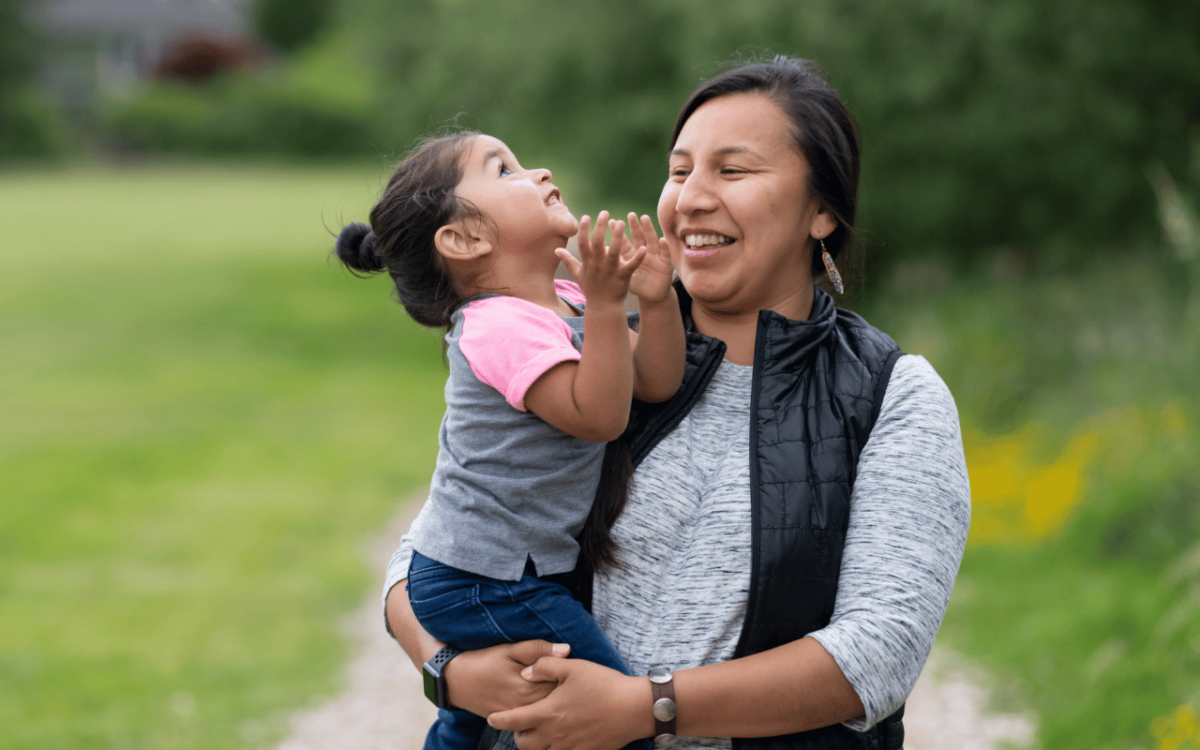
In Arizona, the rich tapestry of Native American land and culture is a cornerstone of life. Yet many tribal members face significant challenges in accessing comprehensive medical care on their own reservations. Recognizing this urgent need, the University of Arizona has launched a transformative program to inspire more Native Americans to pursue nursing careers and serve their communities directly.
The shortage of healthcare professionals is a pressing issue nationwide, but it hits particularly hard in Native American regions. The University of Arizona has implemented a specialized initiative to encourage nursing students to work in these underserved areas.
Meet Jolynn Robbins, a newly certified Registered Nurse who embodies the mission of this program. Her personal journey and the connections she forms with her patients on the reservations are a testament to the impact of this initiative. When she walks into a clinic or hospital, her presence brings a sense of comfort to her patients. “They’re like, ‘Are you Navajo?’ And so within that, there’s kind of that connection where they know that I have a similar background, but it’s not necessarily the same. So just knowing that we’re able to connect on that level,” she explains.
The program, known as INCATS, is backed by a substantial $1.6 million grant aimed at recruiting Native American nursing students and providing financial support for their training. Graduates of the program are committed to spending at least two years serving with a tribal health organization, fostering a vital connection to their communities.
Emily Si’al, the Program Coordinator with an Alaskan tribal background, emphasizes the importance of this long-term commitment. She shares her personal experience: “My family often gets treatment from traveling medical professionals who may stay six months or a year and move on. They’re unable to build a relationship with a provider and work on things step by step. Every time they go see a primary care provider, they start from the beginning, which can be stressful and challenging.”
Dr. Timian Godfrey, a nursing professor at UA with a doctorate in nursing practice, highlights the critical role these nurses can play in bridging health care gaps on tribal lands. She emphasizes the importance of cultural competence in healthcare, noting, “It’s the understanding of historical trauma, intergenerational trauma, and the oppressive acts against Native Americans in our country that really permeate into modern-day health disparities, healthcare systems.” This understanding is crucial for providing effective care to Native American populations.
Through this initiative, the University of Arizona is not just training nurses; they are nurturing community leaders who will bring vital, culturally competent care to the reservations. This program has the potential to transform the health landscape for Native American populations, offering a hopeful vision for the future.

- She Treats Addiction Through a Screen. Here’s What This Psychiatric NP Is Watching For - September 30, 2026
- She Went From Broadway to Dementia Care. Now She Helps Nurses Understand What Behavior Is Saying - September 25, 2026
- What Causes Breast Milk Supply to Drop? What Nurses Should Know - August 18, 2026