
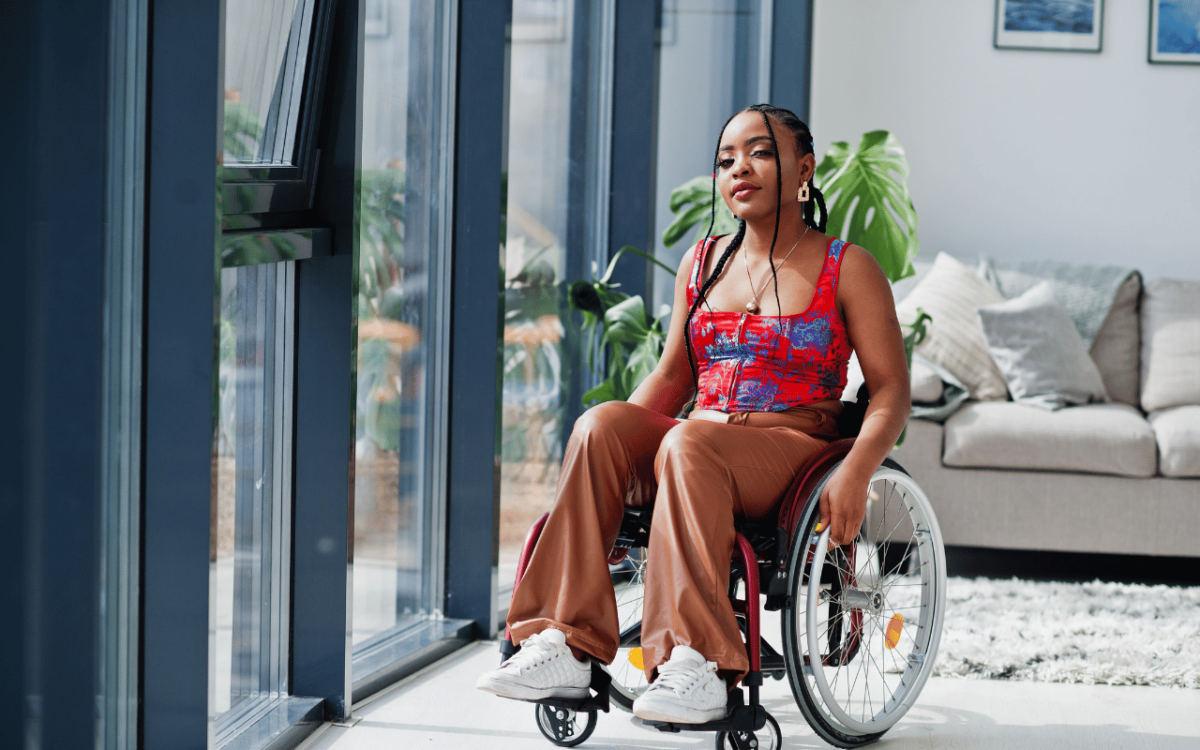
National Disability Independence Day on July 26 honors the signing of the Americans with Disabilities Act (ADA) on July 26, 1990. With the passage of the ADA came opportunities for people with disabilities, including greater access to previously inaccessible public areas and job training skills for employment.
With one in four Americans reporting having a disability, nurses with disabilities exist in the field while providing value in clinics, hospitals, and other areas of work by showcasing the importance of inclusion and diversity, especially in patients with disabilities.
Despite the increased opportunities for nurses with disabilities in the workforce, they are often confronted with high levels of burnout in the healthcare industry. Having to manage their disabilities while dealing with the fast-paced demands of nursing may make them more vulnerable to burnout or even lead them to leave the nursing profession altogether.
So, what are some ways nurses with disabilities can practice self-care to prevent burnout?
Find Accommodations That Work for You
For nurses with disabilities who work in clinical settings, many of them struggle to obtain accommodations, or are unable to do certain tasks that can lead them to quit or think about leaving their job.
It can be hard to advocate for yourself in this situation. Some workers have invisible disabilities or disabilities that aren’t physically apparent to others. Examples of these disabilities include diabetes, traumatic brain injury, chronic pain, and mental health conditions.
In this case, consider your situation and decide what first steps to take to ensure you get the support you need.
Here are some other ways you can advocate for yourself at work:
Ask other nurses with a similar disability for advice. If you can’t find a nurse with a disability near you, contact the National Organization of Nurses with Disabilities (NOND) for tips and resources.
Find personal accommodations for yourself. It might be optional to tell a manager or supervisor about accommodations you need. If you find yourself in this situation, discover ways to make your job easier for yourself. Ask a fellow nurse to tag team with you on a client load, or take more breaks to relax if you need to sit down.
Learn how to communicate what you need. If you do need accommodations from your workplace and leaving your job isn’t a reasonable option, talk with your employer about what accommodations you need. It’s likely that they don’t know exactly what you need, so be prepared to ask for specific accommodations that can benefit you. These can look like assistive technologies such as screen reader software or a modified work schedule that is suitable for you.
The ADA requires employers to provide accommodations for employees who ask for them, so feel encouraged to ask for the help you need to do your work effectively.
Discover How to Self-manage a Disability with Coping Skills
There are many coping skills you can use to manage living with a disability. These skills can significantly help on bad days when it can feel like your disability is keeping you from doing the things you want.
“Self-managing” with strategies doesn’t always mean dealing with all of your symptoms by yourself. You can find a friend, family member, or someone with the same disability to be an accountability partner who can guide you through challenges at work.
Try out other coping skills below and see what works for you.
Be Aware of What You Can Control
Those with physical or mental disabilities can be overburdened by emotions or physical pain. It can be easy to slip into a negative spiral of “I can’t do this” and other thoughts that leave us feeling bad about ourselves. However, catastrophizing only leads us to stay stuck and isolated.
You’re not alone in this type of thinking. Adults with disabilities are five times likelier to have mental distress than those without a disability. However, it’s important to note that thoughts about how to care for yourself in the future are valid and show that you care about your health.
Consider taking actionable steps to help you live a more well-balanced life. Do you need any assistive technology at home? Search for what you need to get an idea of assistance available near where you live. If you’re struggling with your mental health, write down what you’re dealing with through journaling or another mindful technique.
Find an Activity You Enjoy
Spending time on a hobby can help us get out of our heads and engage in something we love to do. If you can’t do something you love because of your disability, find an interest you have and create an activity out of it.
For example, hiking in nature can be good for exercise but difficult for people with chronic pain. Painting landscapes, light walking, or photography are other options for people who want to get outside but can’t always do so.
This is also a good way to meet like-minded people who share similar interests. Yoga, gardening, and reading groups are other common groups, so you might find some near you to share and expand your support system.
Takeaway
Practicing self-care doesn’t always involve baths and long naps. While it can be that way for some, advocating for yourself and taking time to enjoy fleeting moments are other ways to take care of ourselves and ensure that we’re living a happy, rewarding life.

- How Nurses Can Handle Bad Days at Work and Bounce Back Stronger - December 29, 2025
- How to Recognize When You Need to Take a Break - December 24, 2025
- Back by Popular Demand: How to Deal with Feelings of Inadequacy as a New Nurse - December 5, 2025