
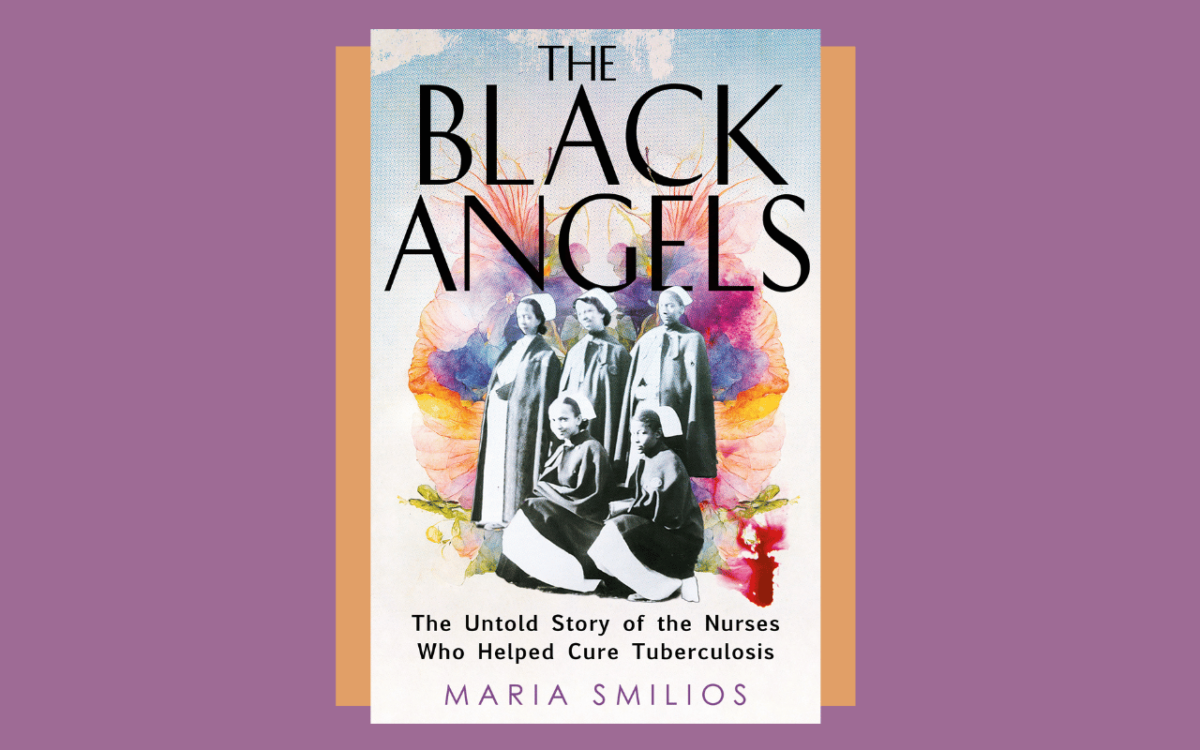
Tuberculosis has been a scourge to humankind for millennia. While it was misunderstood in ancient times, we have known for decades that it is caused by an organism called Mycobacterium tuberculosis. TB primarily affects the lungs but can also lodge in bone, kidneys, the spine, the larynx, and many other sites throughout the body.
Much science has contributed to the relative control of TB around the world, although it is still prevalent in many locations, including the U.S. Effective treatments for both the active and latent forms of the disease are used worldwide, although multi-drug-resistant strains continue to stretch resources and elude current science and medicine.
Although the Black Angels played a significant role in treating tuberculosis and curbing the disease’s spread in the United States and beyond during the first half of the 20th century, few people are familiar with these women. However, their contributions to the fight against TB have not been completely forgotten, and efforts are being made to acknowledge their accomplishments and secure their place in history.
Who Were the Black Angels?
According to Maria Smilios, a Columbia University School of Public Health adjunct professor, keynote speaker, and the award-winning author of “The Black Angels, The Untold Story of the Nurses Who Helped Cure Tuberculosis,” the Black Angels’ importance cannot be overstated.
“The Black Angels were a group of African American nurses who were called up from the Jim Crow South between 1929 and1952 to avert a public health crisis set off by white nurses who began quitting Seaview Hospital, New York’s largest municipal TB sanatorium,” Smilios shares.
She continues, “When I first learned about the story and began speaking with Ms. Virginia Allen, one of the last living Black Angels, as well as the families, I realized the story that had circulated around Staten Island for years was a sentimentalized version of white nurses quitting, Black nurses being called up, and then the cure for TB emerging.
“But the real story was nuanced with many layers. This is a story of women who risked their lives when nobody else would. It’s a story of courage, tenacity, patience, and what it means to work towards a common good.”
Smilios says that the Black Angels were Black women in the fields of science and medicine who were completely erased from history.
Regarding the prognosis for those suffering from TB at that time, Smilios states, “When the Black Angels were active at Seaview, tuberculosis was a death sentence. There was no cure or remedy. The only remedy was fresh air and sunshine. People were stigmatized and villainized, turned into the sum of their illness. It was a terrible disease that consumed people from the inside out and could affect any and every organ.”
Seaview Hospital
“Seaview was a municipal hospital that opened in 1913 and was 400 feet above sea level on the remote borough of Staten Island,” shares Smilios. “The city stated its purpose was so that ‘indigent, immoral, and uncouth’ consumptives could stop spreading tuberculosis. The main patients were immigrants, Black people, the poor, and those who lived on the fringes of society: hobos, prostitutes, and drunks who were sent there to languish and die.”
While the work done at Seaview did help to stop the spread of TB, the hospital was run poorly, according to Smilios. “Seaview was grossly understaffed, with mismanagement causing it to be called the ‘pest house’. And by the end of the 1920s, when white nurses began quitting because they could find jobs that wouldn’t actually kill them, Black nurses were called up to take their place.”
The Contribution of the Black Angels
“The Black Angels were on the frontlines of the first human trials of isoniazid, the first drug that would cure tuberculosis,” Smilios relates. “Because they had spent decades working at Sea View and knew many of these patients who were terminal and had been there for years, they understood the nuances of the disease, its ebbs and flows, and how it was wily and vicious.”
When asked to describe the nurses’ contribution to the research and treatment at Seaview, Smilios responds, “Dr. Edward Robitzek trusted the Black Angels to administer the medication isoniazid to the first 92 patients, but their job went beyond simply administering medication.
“Known for being meticulous, astute, and dedicated, they observed the patients for side effects, noting their moods and physical and emotional changes. Dr. Robitzek and his colleague Dr. Irving Selikoff would come by, collect their notes, and collate their findings; from that data, they could begin charting the side effects of this groundbreaking drug.”
According to Smilios, Dr. Robitzek summed it up nicely by stating, “If it weren’t for the Black nurses, none of this would have happened.”
The Black Angels’ Enduring Legacy
By telling the Black Angels’ story and describing their enduring legacy, Smilios has had the opportunity to tell the true narrative of their heroic work and historic contributions to the successful treatment of tuberculosis around the world.
“Aside from the TB cure, the Black Angels were also responsible for desegregating the NYC hospital system,” Smilios explains. “I hope, especially at this moment in time that’s rife with disinformation, that the legacy of these women is carried far and wide, especially in the nursing world. I hope more schools follow in the footsteps of Rutgers Nursing and Southern Connecticut State University, who have added the book to their curricula.
Asked for her final reflection on the story of the Black Angels, Smilios is definitive, saying, “The story of the Black Angels is ultimately a story of triumph, a story that tells us that there will always be people like these nurses who rise to the challenge of caring for patients under the direst of circumstances. I want the world to know about these remarkable women who are truly the hidden figures of nursing and tuberculosis.”

- Nurse Side Hustles: How Nurses Are Creating New Income Opportunities - April 23, 2026
- How to Become an FNP: Career Path, Requirements, and Certification - April 9, 2026
- Your Nursing Career on Your Terms - August 21, 2025