
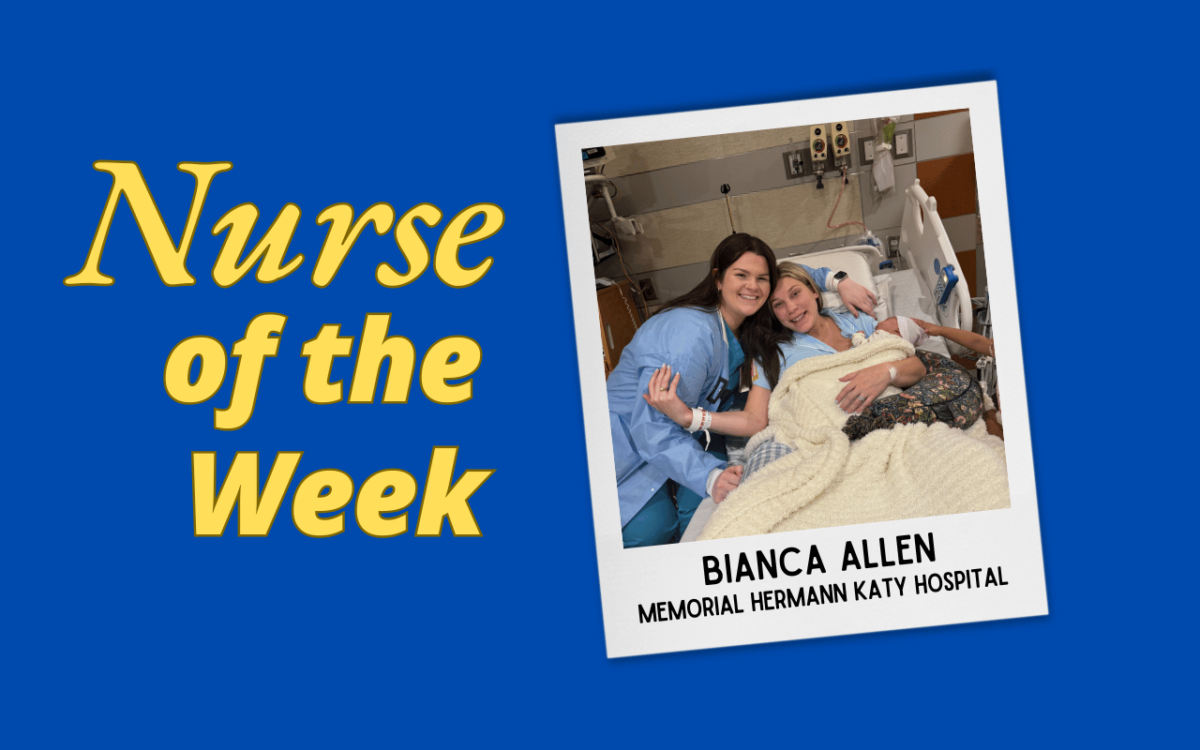
As a labor and delivery nurse at Memorial Hermann Katy Hospital, Bianca Allen has supported families during the most joyful and precarious moments of their lives. But nothing could have prepared her for the day she swapped roles—from skilled nurse to vulnerable patient—when a life-threatening postpartum hemorrhage nearly cost her everything.
Allen had approached the birth of her third child with the meticulous planning of a seasoned clinician. After witnessing countless emergencies, including one unforgettable patient who required an emergency hysterectomy, she created a proactive, detailed birth plan. “I told myself, ‘This can’t happen to me. We have to be prepared,’” Allen recalled.
But sometimes, despite every precaution, life throws the unimaginable.
Shortly after delivering her baby, Allen began hemorrhaging. What she had feared most—and prepared for—was unfolding rapidly. The woman who had guided so many others through postpartum crises was now living one of her own.
In the chaos, a remarkable thing happened: Allen’s colleagues—her friends and work family—became her lifeline.
The doctors and nurses she works alongside every day sprang into action. With clinical precision and unwavering emotional strength, they stabilized Allen and performed an emergency hysterectomy that saved her life. More than just professionals, they were her people.
“They treated me like family,” Allen said. “They prayed with me, stood by me, and never left me alone—not even emotionally.”
One of those nurses was her close friend Becky, who held her hand and prayed with her before the emergency surgery, anchoring Allen in a moment of deep fear. Knowing the emotional stakes of caring for a peer, Allen even requested backup to ensure clear-headed decisions were made during the high-stress procedure.
In the following days, Allen didn’t just heal physically—she was surrounded by a community of caregivers who showed up for her in every way. They didn’t clock out at the end of their shift. They grieved with her, comforted her family, celebrated every milestone, and made space for her emotional recovery.
Postpartum hemorrhage remains the leading cause of maternal mortality worldwide, underscoring the critical role of rapid intervention in maternal care. Allen’s story is not just about survival, though—it’s about how a team’s quick thinking, unwavering support, and deep bonds can make the ultimate difference.
“These nurses and doctors didn’t just perform tasks—they made the difference between life and death,” Allen said. “Their calm, their swift action, their love—it saved me.”
Weeks later, Allen wrote a heartfelt SHOUT OUT, naming each member of her care team who contributed to her survival. It was a love letter to her profession and to the extraordinary people behind it.
Her experience has reshaped the way she approaches nursing. Now back at work, Allen brings more profound empathy and emotional connection. She knows what it’s like to lie in that hospital bed, to be scared, and to need your nurse not just as a provider but as a source of light in the darkness.
Allen’s story is a powerful reminder that nurses are human, too. When their moment comes, it’s the strength of the nursing community that carries them through. We are proud to name Bianca Allen our Nurse of the Week for her courage, compassion, and renewed commitment to care.
Nominate a Nurse of the Week! Every Wednesday, DailyNurse.com features a nurse making a difference in the lives of their patients, students, and colleagues. We encourage you to nominate a nurse who has impacted your life as the next Nurse of the Week, and we’ll feature them online and in our weekly newsletter.

- She Treats Addiction Through a Screen. Here’s What This Psychiatric NP Is Watching For - September 30, 2026
- She Went From Broadway to Dementia Care. Now She Helps Nurses Understand What Behavior Is Saying - September 25, 2026
- What Causes Breast Milk Supply to Drop? What Nurses Should Know - August 18, 2026