
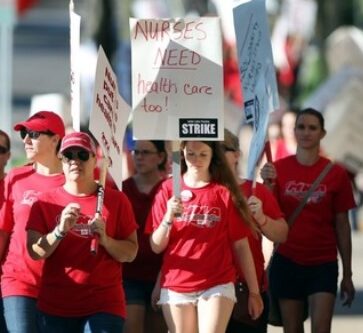
Nearly 15,000 registered nurses at major New York City hospitals walked off the job on January 12, 2026, in what has become the largest nurses’ strike in the city’s history. The walkout — led by the New York State Nurses Association (NYSNA) — unfolded across several top-tier private hospitals, including Mount Sinai (Main, Morningside, West), Montefiore Medical Center, and New York – Presbyterian. The strike erupted after prolonged contract negotiations collapsed over issues frontline nurses say have reached a breaking point.
Why Nurses Walked Out
Nurses cited multiple core grievances that they say hospital management refused to address:
- Chronic understaffing and unsafe nurse-to-patient ratios
- Lack of adequate workplace violence protections
- Erosion of health benefits and retirement security
- Wages that don’t keep up with inflation or the cost of living in NYC
- Threats to previously won staffing protections from a 2023 contract
Union leaders argue that staffing shortages directly compromise patient care and nurse safety — especially during a busy flu season. Nurses report regular encounters with violence from patients or visitors and say hospitals haven’t done enough to protect employees. The union also pushed for fully funded health benefits and clear, enforceable safety standards.
According to NYSNA, months of bargaining yielded little progress, prompting the strike once the old contracts expired at the end of December and talks failed to meet the Jan. 12 deadline.
Hospital Response and Contingency Plans
Hospital systems hit by the strike said they remain open and operational despite the walkouts. Administrations have activated contingency plans, including:
- Hiring temporary and agency nurses
- Redistributing scheduled procedures
- Transferring patients where necessary to maintain continuity of care
- Adjusting workflows to manage clinical units with fewer permanent nurses
Executives have criticized the union’s economic demands, portraying them as financially unfeasible — and in some cases “reckless”. Hospitals claim they’ve made proposals on safety and staffing, and have taken steps toward improvements even without a final contract.
Political and Public Support
The strike has drawn significant political backing. New York City’s mayor, Zohran Mamdani, appeared on picket lines with nurses, calling for fair contracts and underscoring the essential nature of their work. Public officials have framed the action as a defense of both patient care and worker dignity.
At the state level, Governor Kathy Hochul declared a disaster emergency in advance of the strike, citing widespread staffing shortages and the risk of disruptions during a severe flu season. That declaration allows for out-of-state and international medical personnel to temporarily support hospital staffing.
The Context: An Escalating Healthcare Labor Crisis
This strike isn’t an isolated event but part of a broader trend of labor unrest in U.S. healthcare, where understaffing, burnout, and safety concerns have pushed many caregivers to advocate for more enforceable protections and compensation.
Three years ago, some of the same hospitals saw a similar nurses’ strike that led to 19% pay raises and staffing commitments. Union leaders now contend that hospitals are backtracking on those gains and failing to uphold the spirit of that agreement amid ongoing staffing pressures.
The magnitude of this walkout — nearly three times the size of the 2023 action — underscores how deeply these issues have festered. Many frontline nurses say they’ve reached a tipping point: they are willing to risk lost wages for contracts that they believe will make their workplaces safer and more sustainable.
Impact on Patients and Care
So far, hospital leadership insists that patient care continues without major interruptions. Yet experts warn that long-term staffing gaps and reliance on temporary workers can strain clinical quality, increase wait times, and lead to fragmented care — particularly if the strike drags on.
Patients and community members have expressed mixed reactions. Some voice concern about delays or disruptions, especially during peak seasonal illness. Others support the nurses, seeing the strike as a necessary stand against systemic failures in hospital labor practices.
What’s Next
Negotiations are ongoing but tense. Hospitals say they are still willing to bargain in good faith; the union insists meaningful compromises must address their core safety and staffing demands. As the strike unfolds, both sides face growing pressure — from the public, from political leaders, and from their own ranks — to craft a settlement that stabilizes the workforce and protects patient care.
In a city where healthcare demands are constant and stakes are high, this labor fight isn’t just about contracts — it’s about the future of nursing as a profession and the structure of hospital care delivery in one of the nation’s most complex urban health systems.

- Nearly 15,000 Nurses Walk Off in NYC’s Largest Hospital Strike Amid Unsafe Conditions and Failed Contract Talks - January 15, 2026
- Nurse of the Week: D’Brickashaw Ferguson - November 25, 2025
- Welcome to the New Home for Nurses - September 25, 2025