
As a minority nurse, the challenges you face in the healthcare environment can be daunting. These hurdles are often magnified by unique stressors, such as cultural barriers and higher rates of health disparities in the communities you serve. Understanding these challenges is crucial in developing practical strategies that promote workplace safety and personal well-being.
Health Risks Associated with Exposure to Biohazards
Nurses often face unique obstacles in their profession, ranging from exposure to biohazards in healthcare settings to the mental and emotional toll of burnout, making it essential to address these issues for their well-being and effectiveness.
Understanding Biohazards and Airborne Toxins
Biohazards can be defined as any biological substance that threatens the health of living organisms, primarily humans. They include pathogens, chemical agents, and infected bodily fluids in healthcare settings. The risk of exposure can be anywhere from emergency rooms to laboratories and is heightened for those working on the front lines during crises such as pandemics.
Acute Health Effects of Exposure
Exposure to biohazards can result in immediate and acute health problems. These may include allergic reactions, respiratory issues, or infections. It is crucial to recognize these symptoms early; addressing your health as soon as they appear can help prevent more severe complications.
Chronic Conditions Linked to Biohazard Exposure
Chronic health issues can develop long after initial exposure to biohazards. Conditions such as asthma, chronic fatigue syndrome, and even long-term psychological effects can be linked to repeated exposure. It’s essential for nurses, especially minority nurses who may already face health inequities, to remain vigilant about the long-term impacts of their work environment.
Best Practices for Safety and Prevention
In the demanding nursing field, nurses face unique challenges that extend beyond the conventional scope of healthcare as they navigate the dual threats of environmental biohazards and the risk of burnout.
The Role of Personal Protective Equipment (PPE)
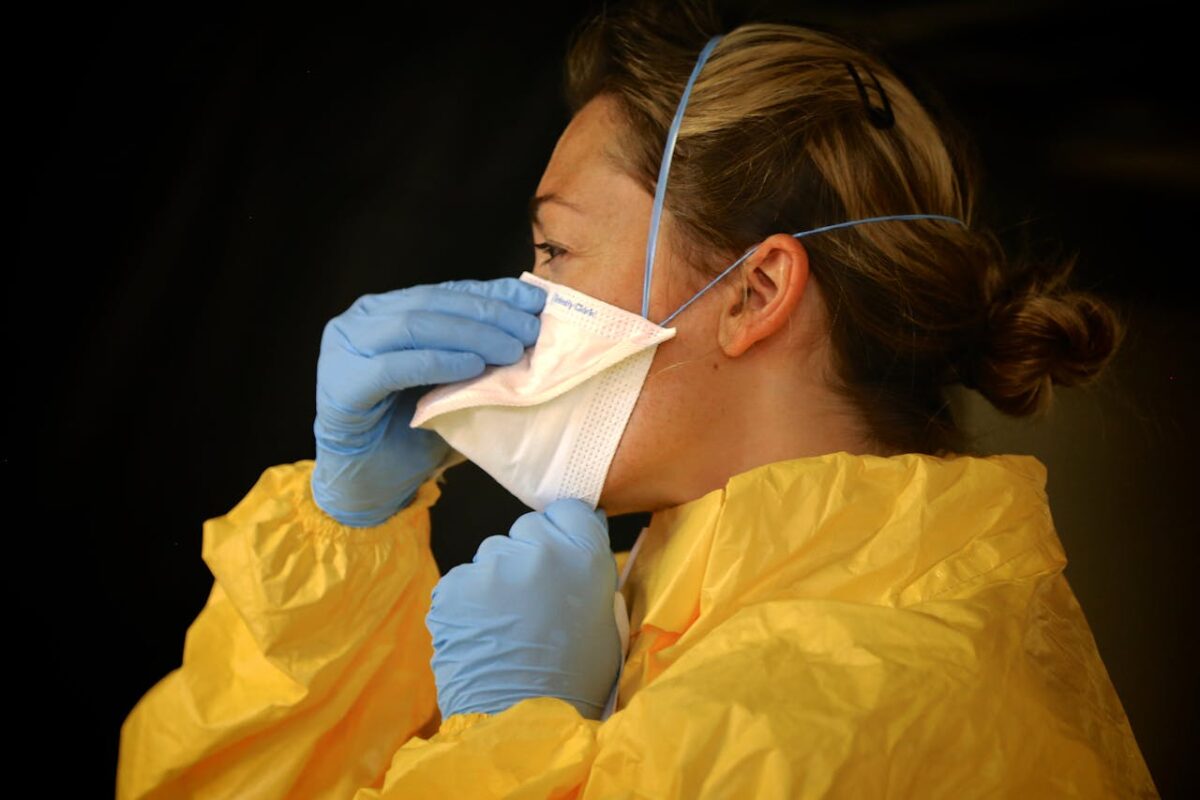
The right personal protective equipment (PPE) is your first line of defense against environmental hazards and ensures your personal safety no matter what contaminants you face. Always wear the appropriate PPE, including gloves, masks, and gowns, and know how to use them effectively. Regular training on PPE usage can enhance your protection against biohazards and give you peace of mind on the job.
Store Securely
When disposing of materials coated in bodily fluids, follow protocols to mitigate the risk of exposure. Initially, such materials should be placed in labeled biohazard waste containers that are puncture-resistant, leak-proof, and sealable to prevent spillage or accidental contact. Filled containers must be disposed of regularly and by local regulations governing hazardous waste management.
Emotional Toll of Caring for Patients in Crisis
As minority nurses navigate the complexities of their profession, they face not only the physical dangers associated with biohazards but also significant emotional and psychological burdens that can lead to burnout.
Strategies for Emotional Resilience
Caring for patients during critical situations can take an emotional toll, especially during events like a pandemic or large-scale emergencies. Building emotional resilience is vital. Techniques such as mindfulness, cognitive restructuring, and peer support can help mitigate stress. Remember, it’s okay to acknowledge your feelings doing so is a vital part of your healing journey.
Coping with Fatalities and Nonfatal Injuries
Dealing with fatalities or severe injuries can be incredibly taxing. It’s important to develop coping strategies that work for you. You can seek supervision after traumatic events, utilize debriefing sessions, or find a creative outlet to process your experiences. Your mental health is just as important as your physical well-being.
Fighting Burnout and Stress
Nurses frequently confront a multitude of challenges that can significantly impact their physical and emotional well-being. Understanding the health risks associated with their work environment and the strategies necessary for survival and resilience is essential.
Quick Workouts
Physical activity can be an effective way to combat burnout. A nurse’s work is never done, and those long shifts can give you constant fatigue during and after work. Incorporating quick workouts into your routine can help alleviate stress and rejuvenate your mind. Even short, focused exercises like a brisk walk or stretching can make a difference.
Sleep Soundly
Never underestimate the power of a good night’s sleep. Getting enough shut-eye nightly is crucial for managing stress and promoting good mental health. Establishing a bedtime routine and creating a sleep-conducive environment can improve your rest and help you recharge for your demanding role.
Resources for Mental Health and Well-being
Always look for resources to support mental health, such as counseling services, mental health apps, or even support groups tailored for nurses. Many institutions also offer employee assistance programs be sure to familiarize yourself with the options available at your workplace.
Conclusion
Biohazards and burnout can seem overwhelming at times, especially for minority nurses who face unique stressors. However, you can survive and thrive in your profession by prioritizing safety through PPE and communication, recognizing and addressing emotional tolls, and arming yourself with effective coping strategies. Remember, caring for yourself is as vital as caring for others; ensure you put yourself at the top of your to-do list.