
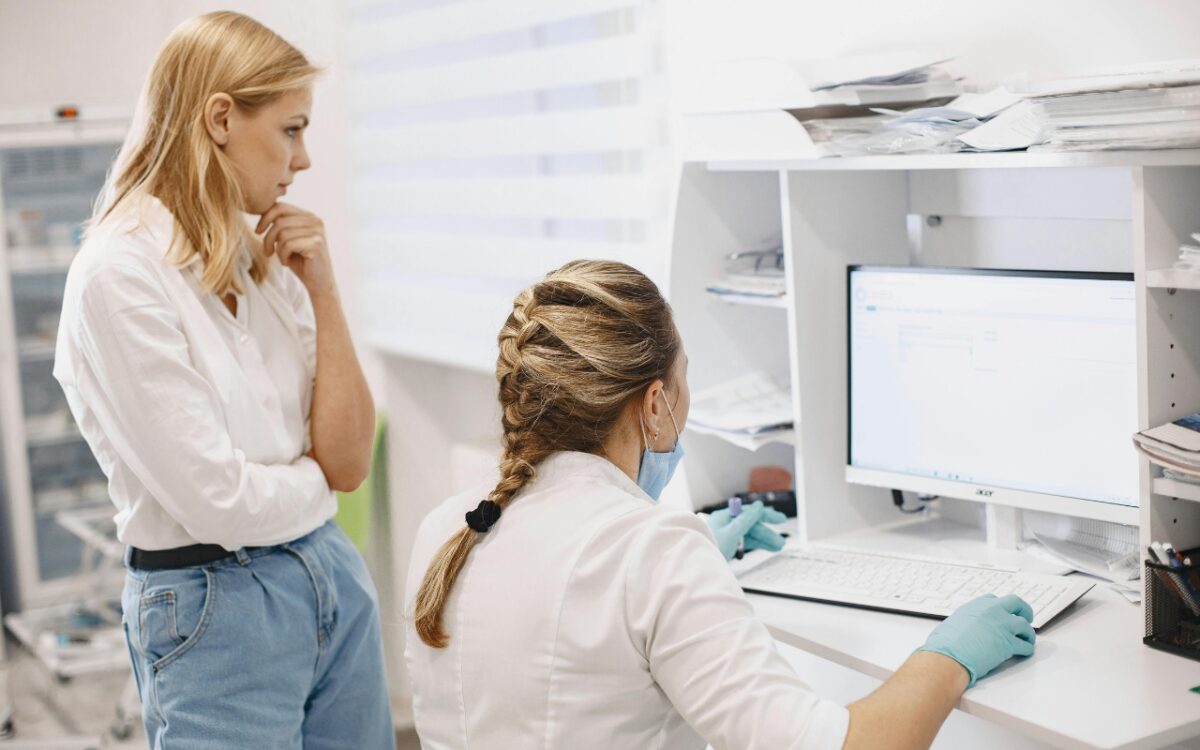
Today’s healthcare systems are light years ahead compared to just a few decades ago. As a nurse, you’re at the center of this technological revolution, managing patient care and the complex digital systems supporting it. Your role has expanded beyond traditional bedside care to include safeguarding patient data, understanding cybersecurity protocols, and adapting to new technology.
Caring for patients while protecting their digital footprint places you in a unique position of trust and expertise. You need practical knowledge to use these tools effectively while maintaining the highest standards of patient safety and data protection.
Embracing the Tech Shift in Nursing Practice
New technology in healthcare has transformed the sector for both providers and patients, making this an excellent time to be a nurse. Now, data is exchanged more quickly, making it easier to coordinate patient histories and treatments; handheld devices enable nurses to target evidence-based treatments in seconds.
Tech has enhanced care delivery and access, so you must prioritize ongoing learning to stay current with emerging tools:
- Telehealth: These virtual visits are more accessible than ever, helping those in rural locales and people with mobility concerns.
- Remotely monitoring patients: Involves using various tools, including heart monitors, continuous glucose monitors, digital blood pressure monitors, and pulse oximeters.
- Mobile robotic systems: Robots can sign patients in, conduct triage interviews, deliver supplies, and assess health and safety risks.
Staying current with these evolving technologies isn’t optional; it’s essential for nursing success. Join informatics groups, attend tech-focused educational events, participate in hospital pilot programs, and pursue advanced coursework in healthcare technology and data analysis.
Understanding Digital Risks in Healthcare
Protecting patient information is especially important because hackers value sensitive data, such as Social Security numbers, bank account numbers, and credit cards.
As a nurse, you handle sensitive patient information daily, making you a valuable asset and potential vulnerability in your organization’s cybersecurity defenses. Understanding best cybersecurity practices is crucial for maintaining patient privacy and safety, as stolen health information can impact patient outcomes.
Cybersecurity Practices for Nurses
You may be familiar with some of these practices, like never connecting personal devices to work devices. And don’t be surprised if you get fake emails that appear to come from colleagues, administrators, or vendors. These emails might ask you to verify login credentials, download attachments, or click links that install malware on hospital systems.
The connection between cybersecurity breaches and patient safety is direct and serious. When hackers compromise hospital systems, patient monitors fail, medication pumps malfunction, and electronic health records become inaccessible. To protect yourself and your patients:
- Verify suspicious emails by calling the sender directly using a phone number you know is genuine.
- Never share login credentials with anyone.
- Report any unusual computer activity immediately to the IT department.
- Always log out of systems when stepping away.
- Use strong passwords that include numbers and symbols.
This is a team effort; nurses aren’t the only healthcare professionals who must shield patients from security threats. Your employer also needs to be ahead of the 8-ball.
The Role of Up-To-Date Policies
Update your organization’s security policies regularly to address new threats, technological advancements, and evolving regulations and industry standards. Outdated policies create protection gaps that leave organizations and patients vulnerable to risks.
Nurses should be familiar with current security protocols, data restrictions, and reporting procedures. Request policy updates during meetings and seek clarification on unclear procedures. Attend security briefings, participate in training, and join technology review committees. Your frontline perspective identifies workflow security weaknesses, so share feedback when procedures interfere with patient care.
Equipping Nurses for the Future of Healthcare
Lesser-known nursing technologies are gaining traction with significant impacts. Beyond AI data management, we have AI-powered assistants that automate scheduling and send alerts. Wearable technology, such as smartwatches, integrates with hospital systems for real-time patient monitoring. Your employer might also have automated medication dispensing cabinets that reduce the chances of errors.
To remain adaptable, subscribe to nursing technology newsletters, follow healthcare innovation social media accounts, and participate in cross-training opportunities that expose you to different departments’ technologies. Many professional nursing organizations now offer tech-focused webinars and conferences that provide continuing education credits.
Developing a Mindset of Lifelong Learning and Tech Confidence
Many nurses feel anxious about new technology, but those who are most comfortable with it are committed to continuous learning and regular practice. Your clinical expertise provides a fine foundation for understanding how technology can improve patient care. Trust your judgment and remain curious about new possibilities.
Don’t be shy: Take an active role in your organization’s technology decisions. Speak up during training sessions, provide feedback about system usability, and share your insights about how technology affects patient care. Your voice matters, and your nursing expertise provides perspectives that administrators and IT professionals desperately need to hear. As a team, you can build a healthcare workplace that harnesses the power of technology while never losing sight of the human connection that makes nursing vital.