
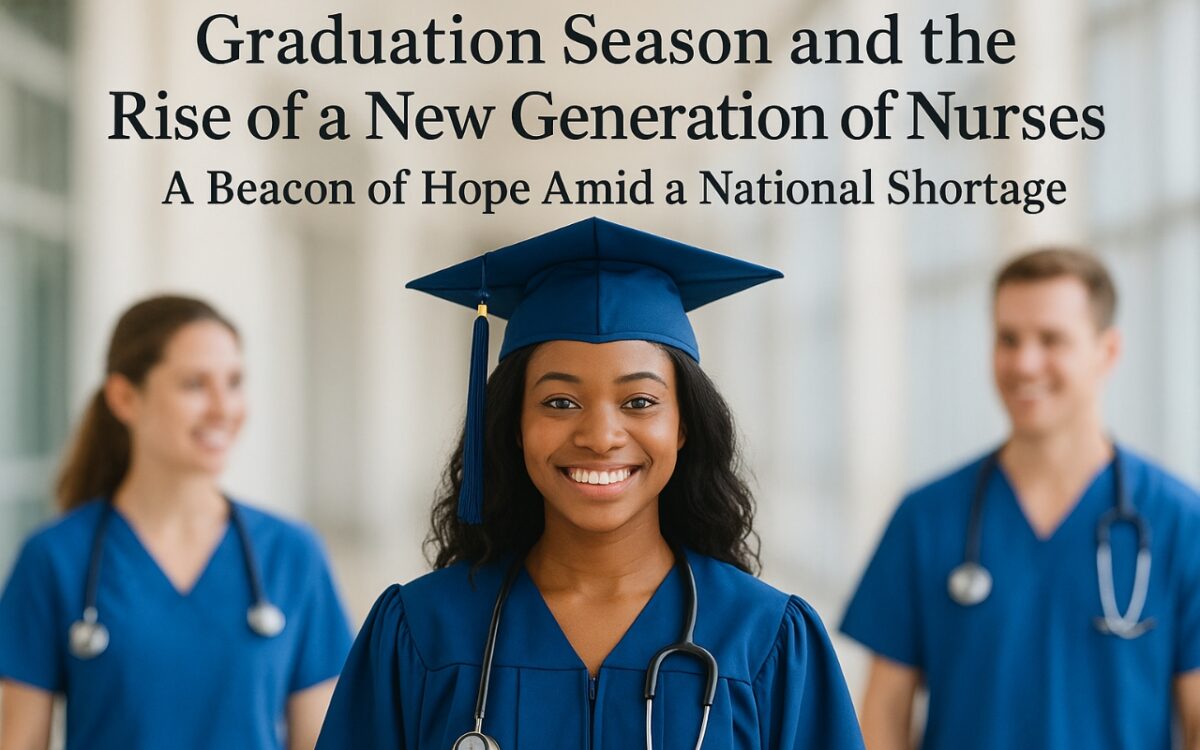
Graduation season is upon usa time of celebration, reflection, and new beginnings. In the world of higher education, this happens a few times a year. For nursing, graduations can occur more frequently, as programs often run year-round to meet the growing demand for healthcare professionals. This spring, I had the privilege of working alongside a group of nursing students during a community event, where we provided first aid at a local pickleball tournament. As I listened to them share their reasons for choosing nursing, I found myself reflecting on my 25-year journey in the profession. Their stories were filled with passion, purpose, and a deep desire to make a difference. It was a powerful reminder of why I entered this field in the first placeand why now, more than ever, we need to support and celebrate the next generation of nurses. They will be caring for us and our families.
A Profession Under Pressure
The nursing profession is currently facing unprecedented challenges. Burnout, rising turnover rates, and a wave of retirements have created a perfect storm. According to recent data from the American Nurses Association and the American Association of Colleges of Nursing, the U.S. could face a significant shortage of nurses by 2030. This shortage is already being felt in hospitals, clinics, and long-term care facilities nationwide, resulting in longer wait times, increased workloads, and a higher risk of errors in patient care.
These challenges are not just numbers on a chartthey represent real people, real patients, and real consequences. Nurses are the backbone of our healthcare system, and when they are overextended, the entire system feels the strain.
New Nurses, New Energy
Amid this crisis, a new generation of nurses is stepping up. These recent graduates are not only filling critical rolesthey are bringing renewed energy, compassion, and innovation to the profession. They are entering the workforce with fresh perspectives, advanced training, and a deep commitment to patient-centered care.
What struck me most during the pickleball tournament was the sense of hope these students carried. They spoke about wanting to serve their communities, to be there for people during their most vulnerable moments, and to advocate for better health outcomes. Their enthusiasm was contagious, and it reminded me that while the challenges are significant, so too is the potential for positive change.
Meeting the Moment
New nurses are uniquely positioned to meet the needs of today’s healthcare landscape. Many have trained during or right after the COVID-19 pandemic, gaining first-hand experience in crisis management, infection control, and telehealth. They are tech-savvy, adaptable, and deeply aware of the social determinants of health that impact patient outcomes.
Moreover, this new generation is more diverse than ever before. Increasing representation in nursing is critical to building trust and improving care in underserved communities. As a fellow first-generation graduate and nursing educator, I’ve seen how students from different backgrounds bring valuable insights and cultural competence to their practicequalities that are essential in today’s multicultural society.
Practical Ways to Support New Nurses
As we welcome these new professionals into the field, it’s essential to consider how we can support them. Here are a few practical steps that healthcare organizations, educators, and community members can take:
- Mentorship Programs: Pairing new nurses with experienced mentors can ease the transition from student to professional. Mentors offer guidance, emotional support, and a safe space for asking questions.
- Workplace Wellness Initiatives: Addressing burnout starts with creating a culture of wellness. This includes manageable workloads, mental health resources, and opportunities for professional development.
- Community Engagement: Encourage new nurses to participate in community health events, like the pickleball tournament. These experiences build confidence and strengthen the connection between healthcare providers and the public.
- Recognition and Celebration: Acknowledge the hard work and dedication of new nurses. Graduation is just the beginningongoing recognition helps sustain morale and motivation.
- Advocacy and Policy Support: Support policies that invest in nursing education, workforce development, and safe staffing ratios. These systemic changes are essential for long-term sustainability.
A Call to Action
As we celebrate graduation season, let’s also celebrate the resilience and promise of our new nurses. They are not just filling vacanciesthey are shaping the future of healthcare. Their presence offers hope in times of uncertainty, and their contributions are already making a difference in the lives of patients and their families.
To my fellow educators, I encourage you to continue nurturing this next generation with the same passion and dedication that brought you into the field. To healthcare leaders, I urge you to invest in these new professionalsnot just as workers but as future leaders. To the community, I invite you to welcome and support these nurses as they embark on their journey of service.
In nearly three decades of nursing, I’ve seen the profession evolve in remarkable ways. But one thing has remained constant: the heart of nursing is compassion. And in these new graduates, that heart beats strong.
