
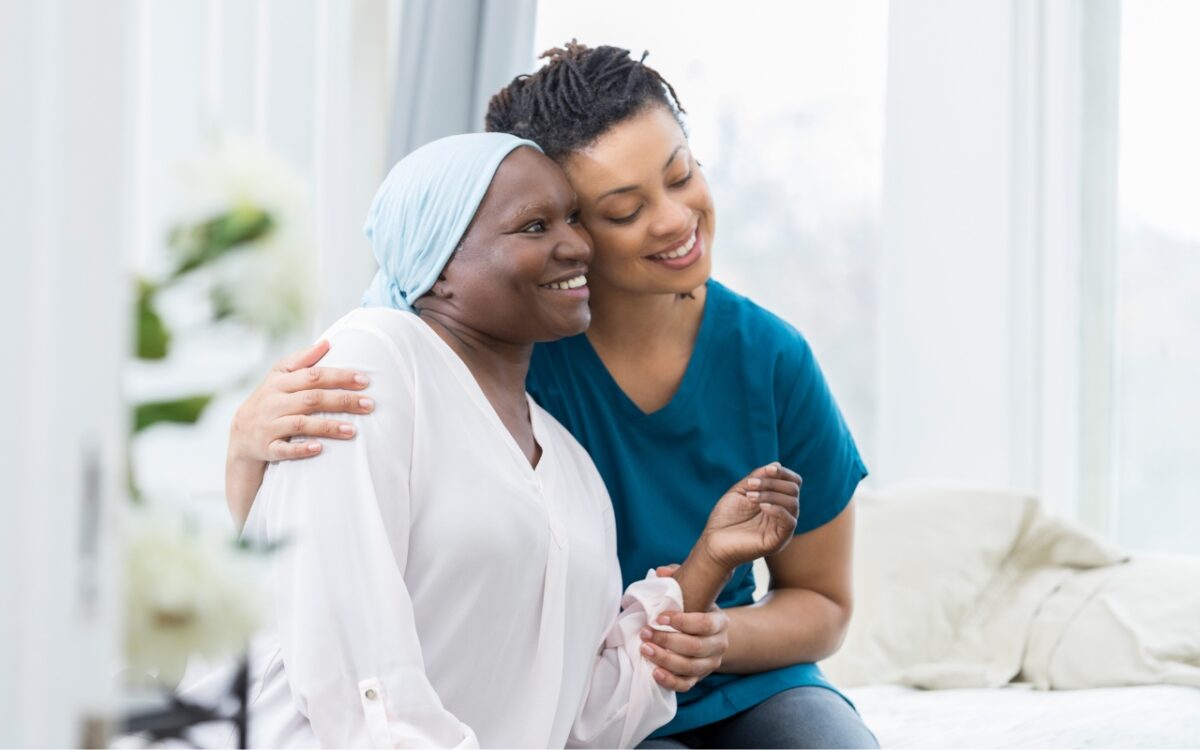
I didn’t truly understand what nursing was until I began practicing it. Like many, I entered the profession because I loved people and science. But it wasn’t until I experienced community health firsthand that I discovered the beating heart of nursingmeeting people where they are, supporting them before a crisis, and helping them stay healthy and whole in their everyday lives.
That’s what home health care is. And in a time when the U.S. workforce is strained, our nurses are burned out, and our communities are too often underserved, I believe that returning to this heartthrough home health care and equityisn’t just nostalgic. It’s necessary.
A Profession That Needs Healing
I started my nursing career in the ICU, told (as many of us are) that hospital experience was a must. And while the work was meaningful, it wasn’t fulfilling. My patients were often unconscious. My goal was to stabilize and transfer them. I never got to know their stories, their families, or whether they ever found healing beyond discharge.
That changed when I moved into home hospice and then home health care. This shift taught me that home nursing is not only a career pathit’s a calling. I saw the impact of my work every day. I helped clients reach personal goals, not just clinical benchmarks. I was welcomed into their lives by name. I wasn’t just preserving lifeI was restoring it.
Home health care reminded me why I became a nurse in the first place: to form real connections, to bring comfort and dignity, and to care for the whole personbody, mind, and spirit.
A Workforce Ready to Grow
But today, too many nurses feel disconnected from that mission. When I talk to my nurse friends working at the bedside, they don’t describe feeling valued or supported. They describe surviving: clocking in, doing their job, and pushing through systems that treat them more like numbers than partners.
And what breaks my heart even more is the number of incredible caregivers I know who want to become nursesbut can’t get past the barriers.
We often discuss the nursing shortage as if it were unsolvable. But I don’t believe that. The truth is, we have plenty of aspiring nurses. What we lack is access.
Nursing school is often financially and logistically out of reach for many. Policies, prerequisites, and gatekeeping keep good people from getting in. And that’s something we canand mustchange through intentional nurse workforce development.
Building Pathways to Equity
One of the most effective ways to rebuild nursing is by investing in career pathways that prioritize access and equity. That’s what we do through a program called Advance to LPN (A2LPN) at BAYADA.
Through A2LPN, we support home health aidesmany of whom are first-generation college students, parents, or people of coloron their journey to becoming nurses. We remove financial barriers, offer coaching and mentorship, and facilitate clear and supported clinical transitions. Every graduate enters our Nurse Residency Program and begins their nursing career ready to serve their community with skill, confidence, and compassion.
Take Carmen (name changed), for example. She worked as a home health aide for more than 20 years, always dreaming of becoming a nurse. But liferaising children, working long hours, making ends meetput that dream on hold. When we were able to offer the support she needed, she enrolled in nursing school. In less than 15 months, Carmen passed her LPN boards and now provides skilled nursing care in the same community where she has served for decades. Her income doubled. Her confidence soared. And her story reminds me daily that equity isn’t theoreticalit’s transformational.
Our workforce development programs offer more access and career opportunities than a highly competitive hospital residency. Nurses in home care settings use the full range of their education, skills, and talentsand, if interested, can quickly advance into roles in precepting, clinical education, management, or operations. The demand in our communities is great, and the growth opportunities are, too.
Home Nursing as a Force for Change
Equity doesn’t stop with who becomes a nurseit also matters in how and where care is delivered. Home visits provide nurses with the unique ability to observe and address a patient’s social determinants of health (SDoH)the environmental and socioeconomic conditions that significantly impact health outcomes.
When nurses walk into a client’s home, we notice things hospitals can’t: food insecurity, safety hazards, isolation. These aren’t just chart entriesthey’re lived realities that impact healing and quality of life. And for complex reasons, they are rarely self-reported.
Home nursing enables us to establish relationships, provide education, recommend modifications, and make referrals that address these issues at their root. That’s a level of impact that changes livesand changes systems.
When individual nurses reflect the communities they servesharing culture, language, and lived experiencewe earn trust, reduce disparities, and deliver more culturally competent care. The evidence is clear: increasing diversity in the nursing workforce leads to improved outcomes for historically underserved populations.
A Path Forward for All of Us
Renewing the heart of nursing means choosing systems that carenot just for patients but for nurses, too. It means employers must stop chasing talent and start building it. It means removing barriers, funding access, and honoring the people who keep our communities well.
It also means creating environmentssuch as home healthcarewhere nurses can do the kind of work that fills them, not drains them.
If you’re a nurse searching for purpose, return to your heart. If you’re an aspiring nurse stuck outside the gates, know that we see youand we’re opening new doors. And if you’re a leader in healthcare, now is the time to invest in programs, people, and pathways that will not only heal individuals but also heal the profession itself.
Because nursing has always been about more than tasks, it’s about trust. And that trust is builtin homes, in hearts, and in the hands of nurses who show up every day with compassion, excellence, and reliability.

- Health Equity Starts at Home: Renewing the Heart of Nursing - July 10, 2025