
Post-graduate training programs for newly practicing nurse practitioners are crucial because they allow new clinicians to feel supported and safe and truly excel in the field of primary care. In the long term, they have been shown to improve confidence, reduce burnout, and keep providers practicing. As Nurse Practitioners are increasingly entering primary care at higher rates than our physician colleagues, these training programs are crucial to increasing the primary care workforce. These training programs keep high-quality clinicians in settings where they can spend their careers, training new providers to be self-motivated, independent learners.
I remember how I felt as a new clinician ten years ago. I graduated from an accelerated Bachelor of Science in Nursing/Master of Science in Nursing program where, in three years, I went from someone with experience as a medical assistant to a primary care provider. As a new clinician, I struggled with imposter syndrome and self-doubt, despite having support available. I often questioned, “What did I miss?” in my clinic sessions, lying awake at night wondering if I had prescribed the right dose or how my patient was doing. I know that my experience as a new clinician is not unique. My experiences and discomfort as a new provider almost led me to leave the profession. I had many peers from my nursing program bounce from clinic to clinic, leave primary care for specialty care, or leave the profession altogether.
My transition to primary care led my previous institution to recognize the need for a formal training program for new Advanced Practice Providers (APP), creating a residency for Nurse Practitioners. These programs blend case discussions, specialty rotations, and hands-on patient care through a precepting model and are critical in increasing clinical skills and confidence. From my experience as both a preceptor and associate director, I have seen firsthand how these programs improve patient care and give new clinicians the assurance they need to believe in themselves and thrive in their roles.
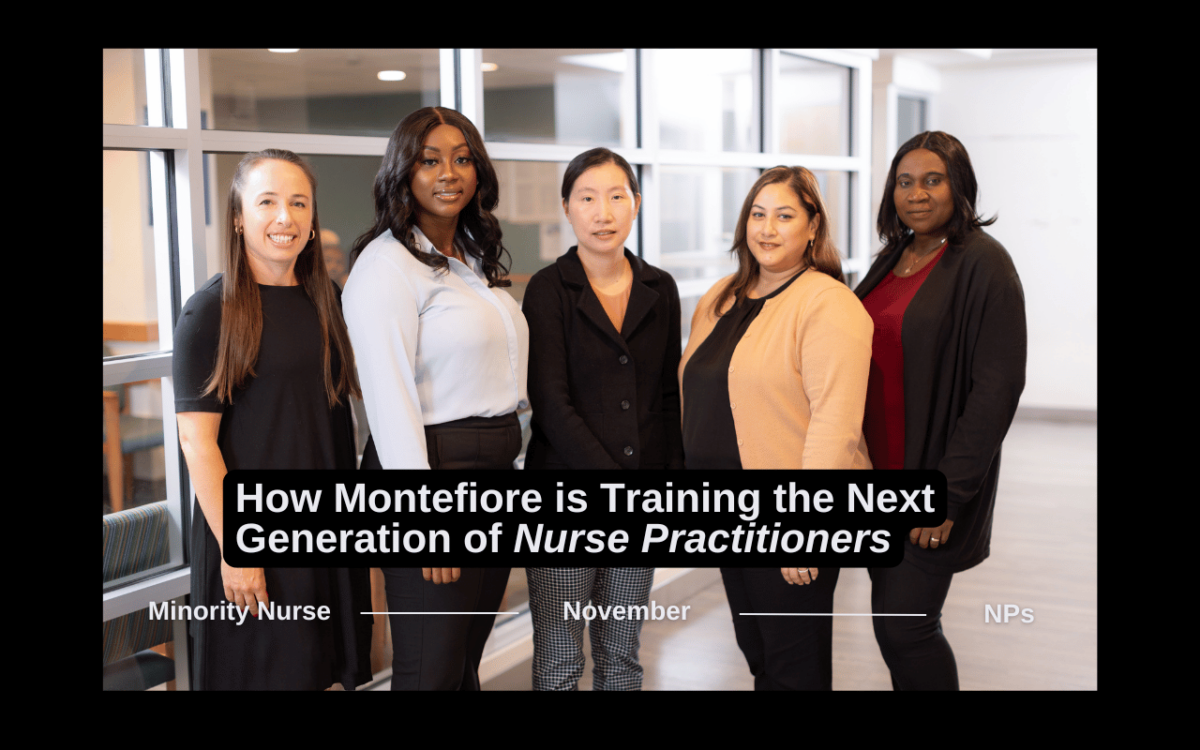
The power of these training programs continues to be recognized as essential in bridging this gap. At the Montefiore Medical Group, where I work, we recently launched a Nurse Practitioner Fellowship in primary care, one of the first of its kind in New York State, with its association with a major medical center. The goals of this fellowship in primary care are to expand access to high-quality care in the Bronx, decrease attrition of the primary care workforce, support competence and mastery of primary care in these new clinicians, and increase the number of Nurse Practitioners working in primary care and serving as leaders in the field.
The fellows we hired into the Montefiore fellowship program were all nurses from various departments, such as medical-surgical, antepartum, and peri-operative units. All had graduated from NP Programs within the past few years and identified the need for a training program to transition to primary care.
The yearlong program provides Nurse Practitioner fellows with hands-on experience in primary care, exposure to various specialty clinics throughout the Montefiore Medical Center, and educational sessions covering key topics like quality improvement and leadership development. The program focuses on subject areas that the population we serve is burdened by, such as diabetes, heart disease, behavioral health, and substance use disorder. The program leverages the teaching and expert clinicians already in practice at Montefiore. By this time next year, the fellows will begin work at the Montefiore Medical Group as independent primary care providers who will hopefully participate in this program for years to come as preceptors.
Montefiore understands why this investment is so critical: Nurse practitioners have been caring for our communitiesspecifically, a vulnerable and medically underserved population. This fellowship program, building up the primary care workforce, will positively impact Montefiore and the Bronx.
Research has shown that Nurse Practitioners who participate in post-graduate training have increased job satisfaction and stay in the profession. They have higher job retention rates and increased confidence as Nurse Practitioners. In the setting of a lack of primary care providers, specifically in communities burdened by high disease morbidity and medical acuity, post-graduate training is becoming increasingly important to provide new clinicians with the confidence and job satisfaction to provide care to communities most in need. I think new Nurse Practitioners can enter practice without a residency or fellowship and be successful. Still, for many of us, these post-graduate training programs are critical. The Montefiore Medical Group’s NP Fellowship is an excellent example of a program focused on expanding access to care in a community that needs more primary care providers and doing so in a safe way, providing patients with the best care possible and the care they deserve.

- How Montefiore is Training the Next Generation of Nurse Practitioners - November 10, 2024