
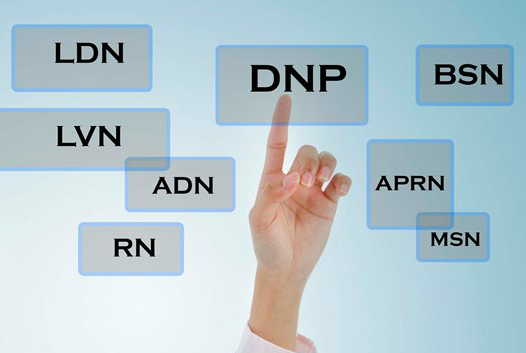
The DNP project is one of the most important components of a Doctor of Nursing Practice program, serving as the culmination of a student’s doctoral education and clinical training. Designed to translate evidence into practice, DNP projects focus on improving patient outcomes, strengthening healthcare systems, and addressing real-world clinical challenges through evidence-based practice and quality improvement initiatives.
Unlike traditional PhD dissertations, which primarily focus on generating new research, DNP projects are practice-focused and centered on implementing existing evidence to improve healthcare delivery, patient safety, workflow processes, or population health outcomes.
For nursing students considering a DNP program, understanding the purpose and impact of the DNP project can help demystify one of the most significant components of doctoral nursing education while highlighting the growing leadership role DNP-prepared nurses play in healthcare innovation and systems improvement.
Stephen Ferrara, DNP, FNP-BC, FNAP, FAAN, FAANP, founder of AI + Academy, Professor and Associate Dean of Artificial Intelligence, Columbia University School of Nursing, Immediate Past President, American Association of Nurse Practitioners (AANP), and Editor-in-Chief, Journal of Doctoral Nursing Practice, took time to answer our questions about the final DNP project, also known as the DNP capstone project. What follows is an edited version of our interview.
For those who don’t have a DNP and may not know what the DNP project is, please explain what it is and why it’s necessary.
Completion of a final DNP project or capstone in doctoral programs is intended to demonstrate the student’s synthesis of knowledge gained during the program. DNP students should be familiar with AACN’s Essentials of Doctoral Education for Advanced Nursing Practice since most, if not all, DNP programs are expected to adhere to this document.
In essence, faculty use the final project to evaluate whether the student has achieved mastery of the concepts in the student’s doctoral course. The final project must demonstrate improvement in clinical practice and/or patient outcomes.
How long do nursing students usually spend on their projects? What are they expected to accomplish?
Projects vary in length but are generally one to one-and-a-half years. Some examples of final DNP projects include quality improvement initiatives, other clinical practice changes, such as pilot studies, the implementation and evaluation of new practice models, and scholarly dissemination in the form of peer-reviewed manuscripts.
How DNP Projects Support Innovation in Nursing Practice
Many DNP projects focus on identifying gaps in care and implementing evidence-based solutions designed to improve patient outcomes, workflow efficiency, patient safety, and healthcare delivery.
Examples of DNP projects may include:
- Reducing hospital readmissions
- Improving chronic disease management
- Enhancing patient education
- Addressing healthcare disparities
- Improving workflow efficiency
- Expanding mental health screening
- Strengthening infection prevention efforts
Strong DNP projects often begin by clearly identifying a clinical problem and understanding why it matters. Nurses developing innovative projects frequently focus on practical questions related to patient care, systems improvement, or healthcare outcomes before designing solutions.
Persistence, collaboration, networking, and openness to new ideas can also play important roles throughout the DNP project process, particularly when navigating organizational barriers or implementing practice changes within healthcare systems.
When they embark on these projects, what should DNP nursing students keep in mind to help things go smoothly?
One of my mentors would remind me that the final project was not meant to be my “life’s work.” In other words, the final project application needed to be transferable. The education and skills we learned could be applied to different clinical issues, populations, and settings. The project needed to stay on a reasonable timeline to be completed.
This concept differs somewhat from PhD studies, where students typically focus on a specialty and continue in that field throughout their careers. Also, PhD dissertations can last through many semesters. Finally, strong organizational skills are essential since there are many interrelated parts that need to be coordinated to ensure success.
What are the biggest challenges for nursing students in completing their projects?
I would say that there are two main challenges:
- Having too broad or too ambitious a project
- Not adhering to timelines
This can jeopardize the entire project.
If a student is having issues with their project, what should they do?
DNP students need to regularly meet and communicate with their faculty advisors. Advisors should help students navigate through unanticipated challenges, bureaucratic delays, and unexpected results.
Other DNP graduates or mentors can also help students with some issues they may encounter. Networking with faculty mentors, professional nursing organizations, DNP graduates, and online nursing communities may also help students navigate common challenges.
What else should nursing students—and nurses who don’t yet have and aren’t currently pursuing a DNP but might in the future—know about the DNP final project?
Doctoral work in any discipline involves synthesizing information. Final DNP projects tend to take existing high-level evidence and apply it across different practice settings rather than creating new evidence, as is typically done in PhD programs.
In addition, DNP work should not end with the final project. The expectation is that DNP graduates will continue to contribute to the scholarly application and dissemination of their work throughout their careers.
I encourage anyone wanting to see examples of this scholarly work to visit the Journal of Doctoral Nursing Practice website or check with their institution’s library.
As healthcare systems continue evolving, DNP projects remain an important way for nurses to translate evidence into practice, lead quality improvement initiatives, and contribute to healthcare innovation. For many nurses, the DNP project serves not only as a doctoral requirement but also as the foundation for future leadership, systems change, and long-term scholarly contribution throughout their careers.
This article was originally published in September 2019 and updated in May 2026 to reflect new information.

- Telehealth Nursing: Expanding Access to Care - June 25, 2026
- What Is a DNP Project and Why Does It Matter? - May 28, 2026
- Emergency Nursing Certification: How to Get Board Certified - April 21, 2026